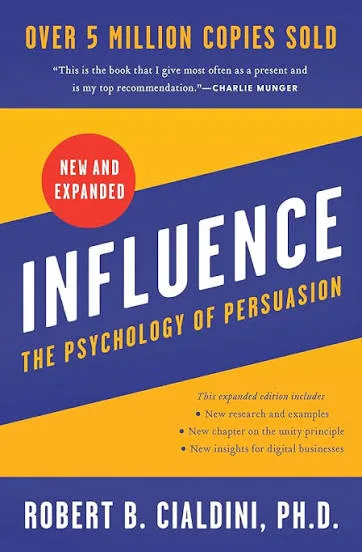
Influence
Robert Cialdini
English · 2021
1,890 MKD
Loading…
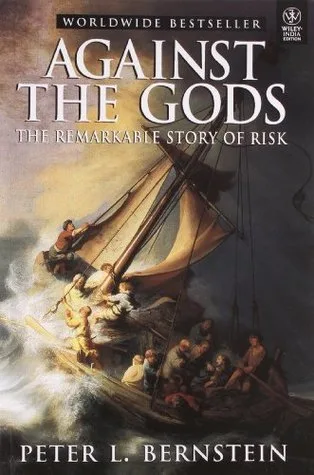
"No one else could have written a book of such central importance with so much charm and excitement. I speak carefully: no one should miss it." John Kenneth Galbraith "Deserves to be, and surely will be, widely read." The Economist For most of human history, the future was something that happened to you. If you wanted to know what was coming you asked an oracle, read the entrails, or accepted that the gods had already decided. The idea that risk can be measured, priced and deliberately taken is only a few centuries old, and it changed everything. Peter Bernstein tells the story of how that happened. It runs through gamblers in Renaissance Italy working out the odds on dice, through Pascal and Fermat inventing probability theory in an exchange of letters, through the insurance brokers of seventeenth century London, through Bernoulli, Gauss and Galton, to Markowitz and the portfolio theory that underpins how money is managed today. His argument is that this, rather than any single invention, is the line between the modern world and everything before it. Not that people stopped being afraid of the future, but that they acquired tools to put numbers on it, and therefore to act. The second half is about the limits of those tools. Bernstein was an investment manager as well as an economist and he is clear-eyed about what happens when people mistake a model for the world. The chapters on why rational calculation keeps failing to predict human behaviour read better now than when they were written. Original English edition. Paperback, 400 pages. Wiley.